My Dog Ignores Recall: 9 Reasons and Kind Fixes
You call. Your dog’s head comes up, they look at you… and carry on sniffing. Or they don’t even look up. Recall that falls apart in real life is one of the most frustrating problems owners face, and one of the most important to fix, because it’s about safety.
The good news is that recall usually breaks down for understandable reasons, and most of them can be fixed with kind, patient training. Here are nine common ones.
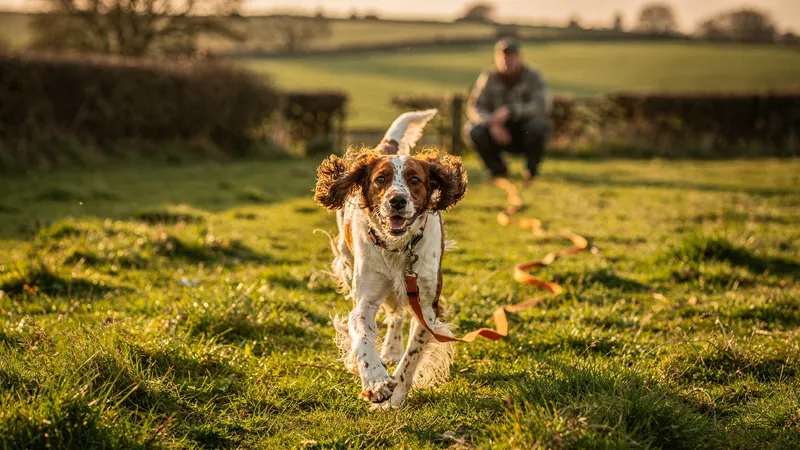
1. The recall was never fully trained in real places
Many dogs have great recall in the kitchen and garden, but have never practised it with rabbits, other dogs and a field full of smells. To a dog, those are completely different situations.
Fix: build recall step by step, from easy places to harder ones. Our reliable recall guide walks you through it.
2. The thing they’re doing is more rewarding than you
A fox smell, a game with another dog or a squirrel up a tree will always beat a piece of dry biscuit.
Fix: use really high-value rewards for recall (cheese, chicken, a favourite toy game) and keep them only for recall. Your dog should think coming back is the best deal in town.
3. Coming back usually means the fun ends
If the only time you call your dog is to put the lead on and go home, they quickly learn that “come” means “fun over”.
Fix: call your dog many times on each walk, reward them, and then let them go again (“off you go”). Clip the lead on and off during the walk and let them carry on. Make recall a brief, rewarding pause, not the end of everything.
4. They’ve learned they can ignore the cue
If you call “come, come, COME!” repeatedly while your dog ignores you, the word starts to mean nothing.
Fix: if your current recall word is “broken”, start again with a new one (for example “here” or a whistle). Only say it when you’re fairly sure your dog will come, and reward generously every time.
5. They’re sniffing
“Dog ignores recall when sniffing” is something lots of owners search for. Sniffing is deeply absorbing for dogs, and some breeds, such as Spaniels, Beagles and other scent hounds, find it especially hard to tear themselves away.
Fix: wait for a natural pause, when your dog lifts their head, before calling. Practise calling away from mild smells on a long line, and reward with “go sniff” as well as food. You can also feed sniffing needs with scatter feeding and scent games so walks are less of a free-for-all.
6. They’re a teenager
Adolescence (roughly from six months to around two years, depending on the dog) is when many owners notice recall falling apart. Young dogs are more independent, easily distracted and keen to explore.
Fix: don’t panic. Go back a few steps, use a long line in open spaces and keep sessions short and fun. It’s normal, and consistent practice gets you through it.
7. They got told off when they came back
If your dog took ages to come back and got a cross word when they arrived, they learned that coming to you was unpleasant.
Fix: however long it took, always greet your dog warmly when they come back. Swallow the frustration. Every recall should end well.
8. They’re worried or overwhelmed
A frightened dog may run away from something scary or freeze rather than come to you. Some dogs also avoid coming back if they’ve had unpleasant experiences when caught (such as being grabbed by the collar).
Fix: reward gently and don’t grab. Teach a “collar touch” game at home: touch the harness or collar, treat, let go. If fear is behind it, a qualified behaviourist can help (ABTC register).
9. They can’t hear you, or they’re in pain
If recall changes suddenly, especially in an older dog, consider hearing loss. Pain (for example from sore joints) can also make dogs slower to come back or less keen to move.
Fix: see your vet. For a dog with hearing loss, you can teach a visual recall signal, like a big arm wave, instead.
A long line keeps everyone safe while you train
While you rebuild recall, a long line (often 5 to 10 metres) lets your dog explore with a bit of freedom while making sure they can’t run off. Always clip it to a well-fitted harness, never a collar, and let it trail on the ground or hold it loosely. Wear gloves with a strong dog to avoid rope burns.
Recall and the law in the UK
- On public roads and paths next to roads, keep your dog on a lead. The Highway Code asks you to keep your dog on a short lead on the pavement next to a road.
- In the countryside, the Countryside Code asks you to keep your dog under effective control, keep them on a lead around livestock and follow local signs. On open-access land, dogs must be on a short lead between 1 March and 31 July and at all times near livestock.
- If cattle chase you and your dog, the Countryside Code advises letting your dog off the lead so you can both get to safety.
Quick recap
- Recall breaks down because something else is more rewarding, the cue has lost its meaning, coming back ends the fun, or your dog isn’t ready for that place yet.
- Use a fresh cue if you need to, great rewards and lots of “come back and go again”.
- Never punish a dog who comes back. Use a long line while you train.
- Sudden changes can be about pain or hearing: check with your vet.
For the full step-by-step plan, read reliable recall: the step-by-step UK guide, and visit our recall hub for more.
Frequently asked questions
Why has my dog suddenly started ignoring recall?
Common reasons include adolescence, a new and more exciting walking spot, recall being used mainly to end fun, or a scary experience. A sudden change can also be a sign of pain or hearing loss, so check with your vet if it's out of character.
Should I punish my dog when they finally come back?
No. However long it took, make coming back the best thing that happened to them. If they get told off when they arrive, they learn that coming to you is unpleasant and will be slower next time.
How long should I use a long line?
For as long as you need to. Many owners use one for weeks or months while they rebuild recall in real places. Use it with a well-fitted harness, never a collar, and wear gloves if your dog is strong.
Does a recall whistle work better than my voice?
A whistle sounds the same whoever blows it and carries well over distance, which some owners find useful. But it only works if you train it in the same way as a verbal cue, pairing it with great rewards before using it in real life.
Free printable: the 7-day calm-walk tracker
A one-page daily checklist to stick on the fridge. Tick off short practice sessions, note what worked, and see progress at a glance. Free, with occasional emails of practical tips. Unsubscribe any time.
Loose Lead in 21 Days
Does your dog pull on the lead too? Our first Fix Plan tackles that.
Everything in our free pulling guide, turned into a day-by-day plan: 21 short sessions with clear “move on when…” checks, printable session cards, a 21-day tracker and troubleshooting for the most common sticking points.
£17 PDF download · 60-day refund, no questions asked
Keep reading
How to Walk a Big, Strong Dog That Pulls (Kindly and Safely)
Being pulled over by a large dog is frightening. Practical, force-free ways to stay safe and in control today, the right kit for big dogs, and how to teach loose-lead walking.
PullingWhy Your Dog Pulls When Excited (and the 'Be a Tree' Fix)
Does your dog drag you out of the door, towards the park or at the sight of another dog? Why excitement causes pulling, and a calm, step-by-step 'be a tree' routine that helps.
PullingDog Pulling on the Lead and Choking or Coughing: What to Do Today
If your dog coughs, gags or wheezes when they pull, here's why it happens, what to change on today's walk and when to see your vet. Kind, practical UK advice.